Books
All
- All
- Essay
- Poetry
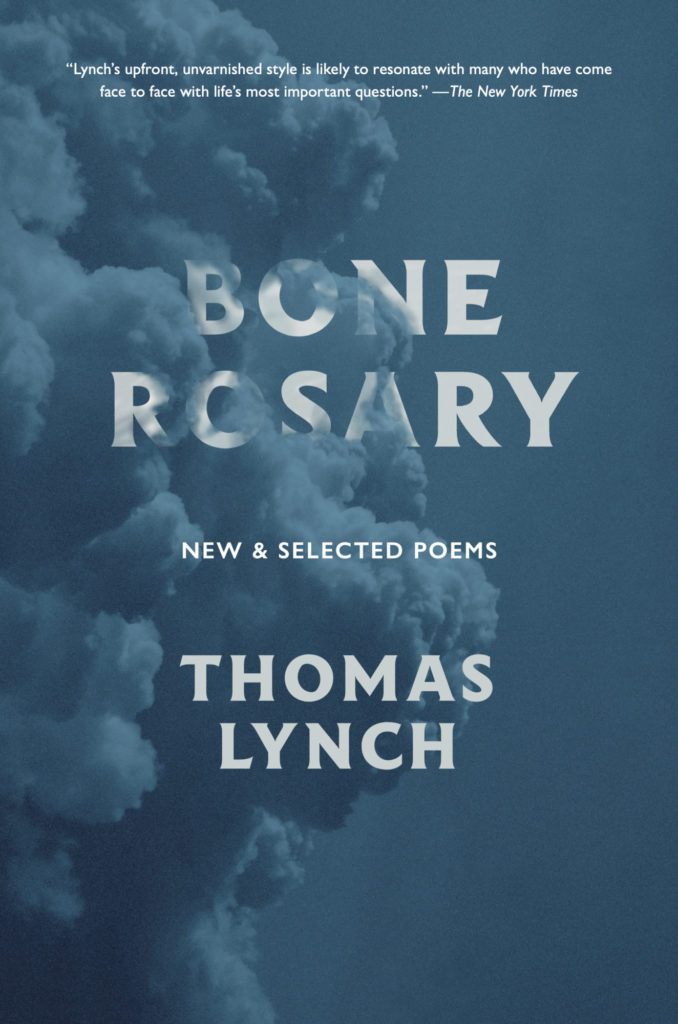
Bone Rosary
A selection of the very best from one of America’s most thought-provoking writers: poems on life, faith, doubt, and death that read like memoir, essay, and story. As The New York Times wrote, Thomas Lynch’s work is “likely to resonate with many who have come face to face with life’s most important...
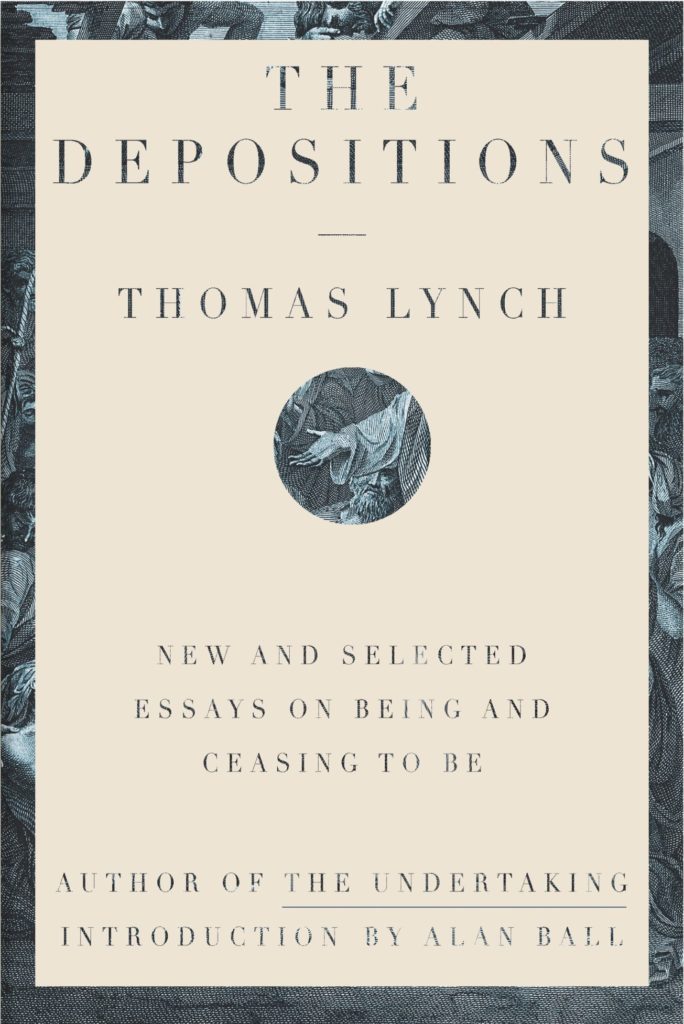
The Depositions
Released on November 26, 2019 New and selected essays on being and ceasing to be. For nearly four decades, poet, essayist, and small-town funeral director Thomas Lynch has probed relations between the literary and mortuary arts. His life’s work with the dead and the bereaved has informed four previous collections...
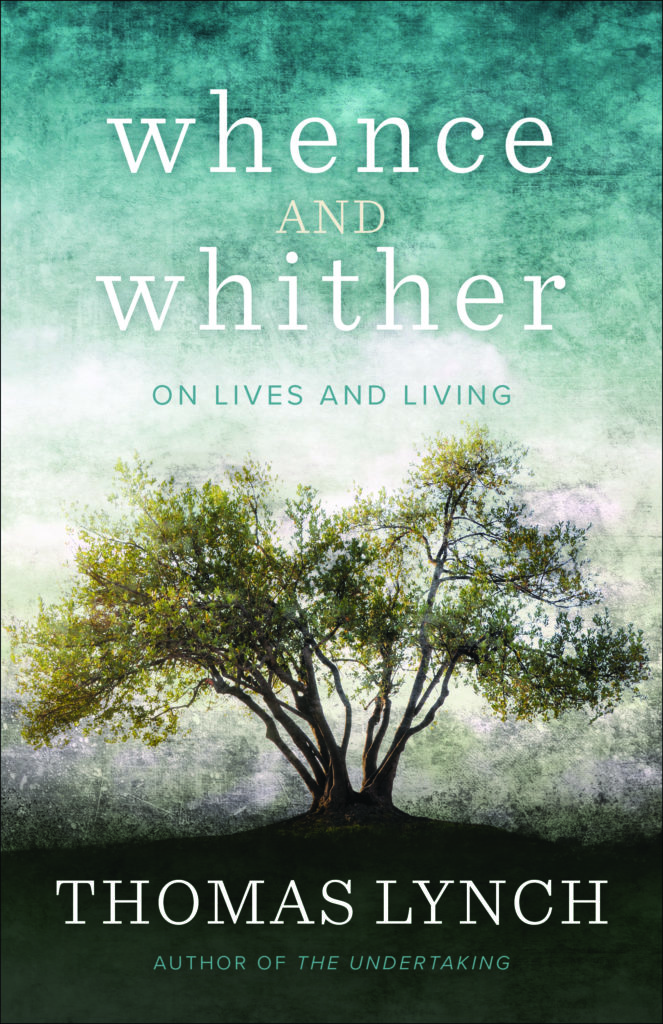
Whence and Whither: On Lives and Living
Launched February 19, 2019 From one of our most gifted writers and thinkers about death and the meaning of living comes a collection of writings about “what comes next.” Thomas Lynch, funeral director, poet, and author of the National Book Award finalist The Undertaking: Life Studies from the Dismal Trade, has...
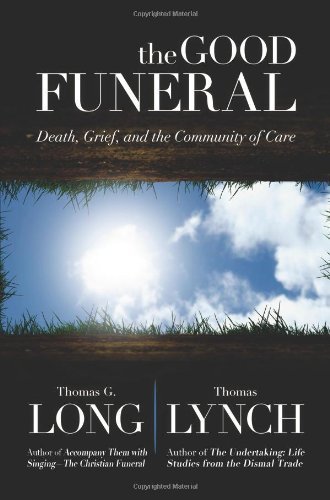
The Good Funeral – Death, Grief and the Community of Care
Co-authored with the theologian, Thomas G. Long Written for seminarians and mortuary students, clergy and funeral directors, it is a study of the funeral practices which the authors claim "have gone ritually astray." They suggest ways the culture might reclaim some of the most useful and human ceremonial responses to...
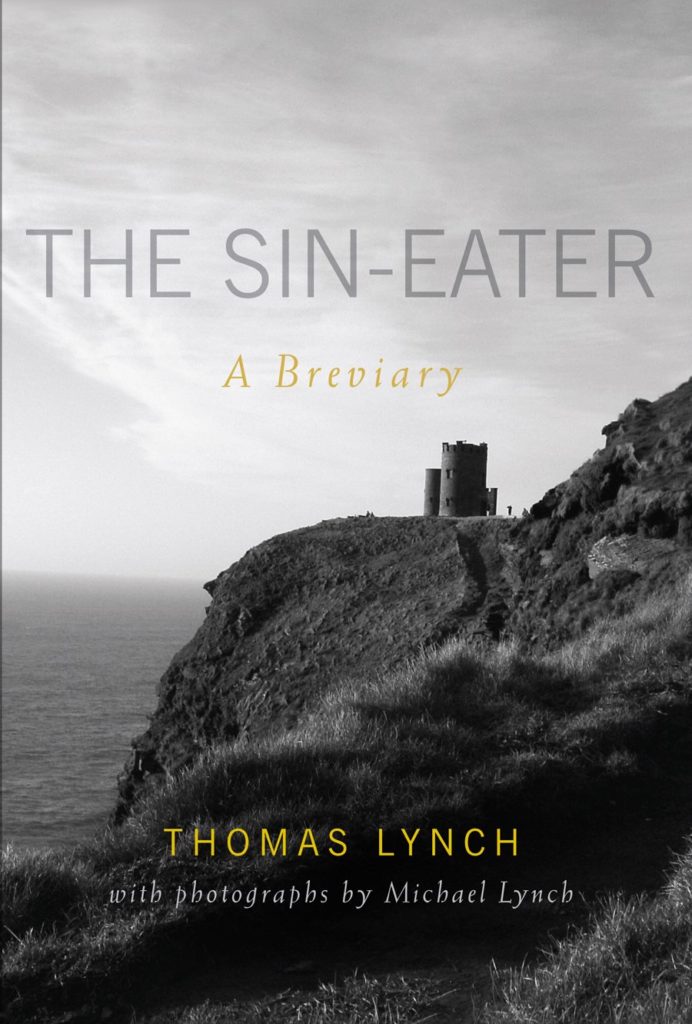
The Sin Eater: A Breviary
The Sin-Eater: A Breviary, Thomas Lynch's fifth book of poems was launched at The Grolier Poetry Book Shop in Cambridge, the collection gathers two dozen, twenty-four line poems -- a book of hours -- on the life and times of Argyle, the sin-eater and includes two dozen black and white...
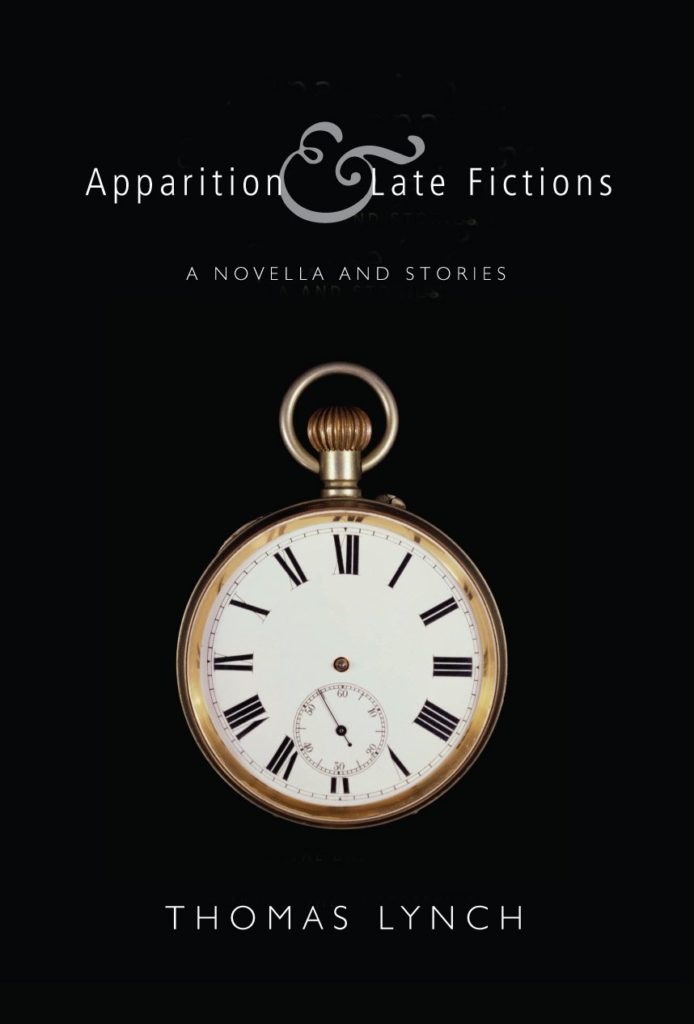
Apparition & Late Fictions: A Novella and Stories
A Methodist minister gone astray, a trout bum gone fishing with his father's ashes, an artist overwhelmed by embodied beauty -- these are among the uncommon heroes and exquisite narratives in this first collection of stories by Thomas Lynch. Set in Michigan's north woods, Ohio's interior, on islands, in casinos...
Walking Papers | poems
In his fourth collection of poems, Thomas Lynch attends to flora, fauna, and fellow pilgrims: dead poets and living masters, a former president and his factotums, a sin-eater and inseminator. Faux-bardic and mock-epic, deft at lament and lampoon, fete and feint, Lynch's poems are powerful medicines, tonics for the long...
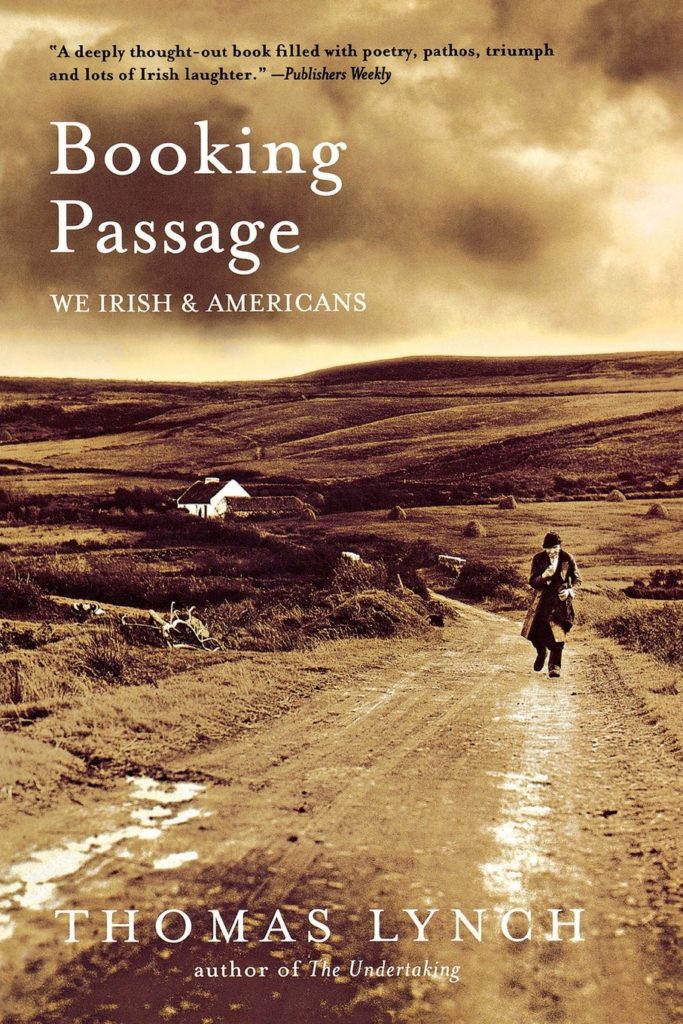
Booking Passage: We Irish and Americans
A memoir of forty years of coming and going between Michigan and Moveen, West Clare. This writer's returning to the old country reveals the binding ties of family, faith, language and home-place -- the precious and perilous nature of tribe and "people" and ethnicity. Part memoir, part cultural study, Booking...
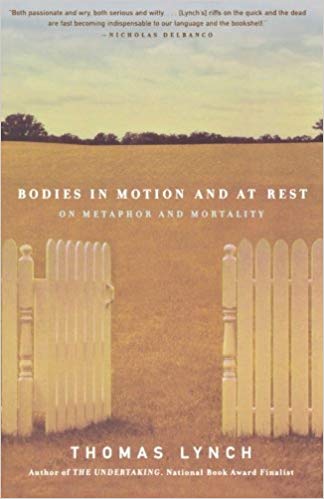
Bodies in Motion and at Rest: On Metaphor and Mortality
In this collection of essays, Thomas Lynch, hailed by The New York Times as "a cross between Garrison Keillor and William Butler Yeats,"reminds us not only of how we die but also of how we live. Bodies in Motion and at Rest proves Thomas Lynch to be an essential author in a time...
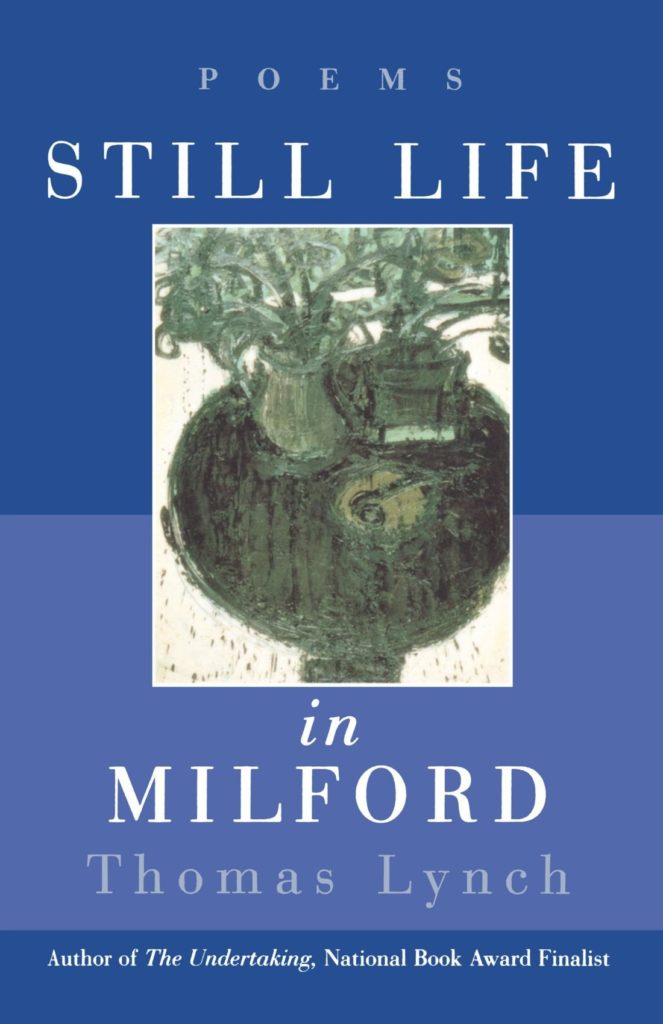
Still Life in Milford: Poems
A collection of poetry in which Thomas Lynch tenders poems on life and death, history and memory, the local and the larger geographies.With one ear to the ground and another to the heavens, Lynch renders poems that echo mortality's solid thud. The combined perspectives of his two occupations--running a family...
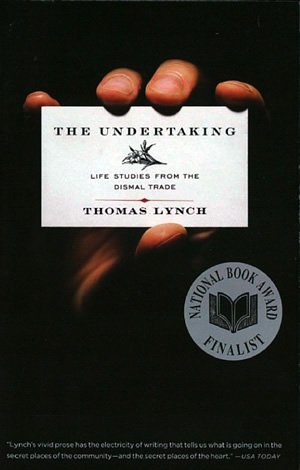
The Undertaking: Life Studies from the Dismal Trade
A collection of twelve essays, The Undertaking is a chronicle of small-town life and death told through the eyes of a poet who is also an undertaker. It was a winner of an American Book Award and finalist for the National Book Award. "Every year I bury a couple hundred of my...
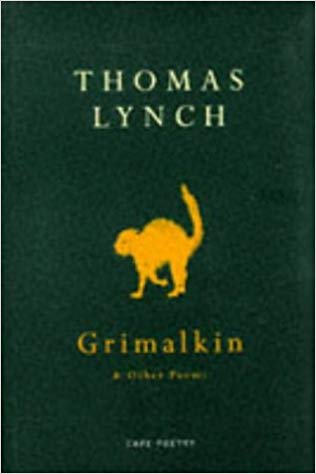
Grimalkin and Other Poems
Grimalkin & Other Poems is Thomas Lynch's second collection, edited by Robin Robertson.
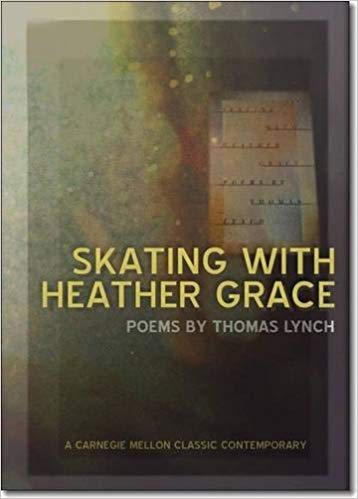
Skating with Heather Grace
This book is the first published collection of the great undertaker poet, and is very scarce, especially in the hardcover issue. Like the poets Wallace Stevens and William Carlos Williams before him, Thomas Lynch works in the world of real things. Like Stevens, like Williams, Lynch does the kind of...